
Free, and no signup.
No payment, no email address, no account. Three files: the complete color belt requirements, the rubric used to score each Gup test, and a spreadsheet for recording those scores. Print the guide and keep it in your training bag. Use the rubric to see exactly what an examiner is looking for before you step onto the floor.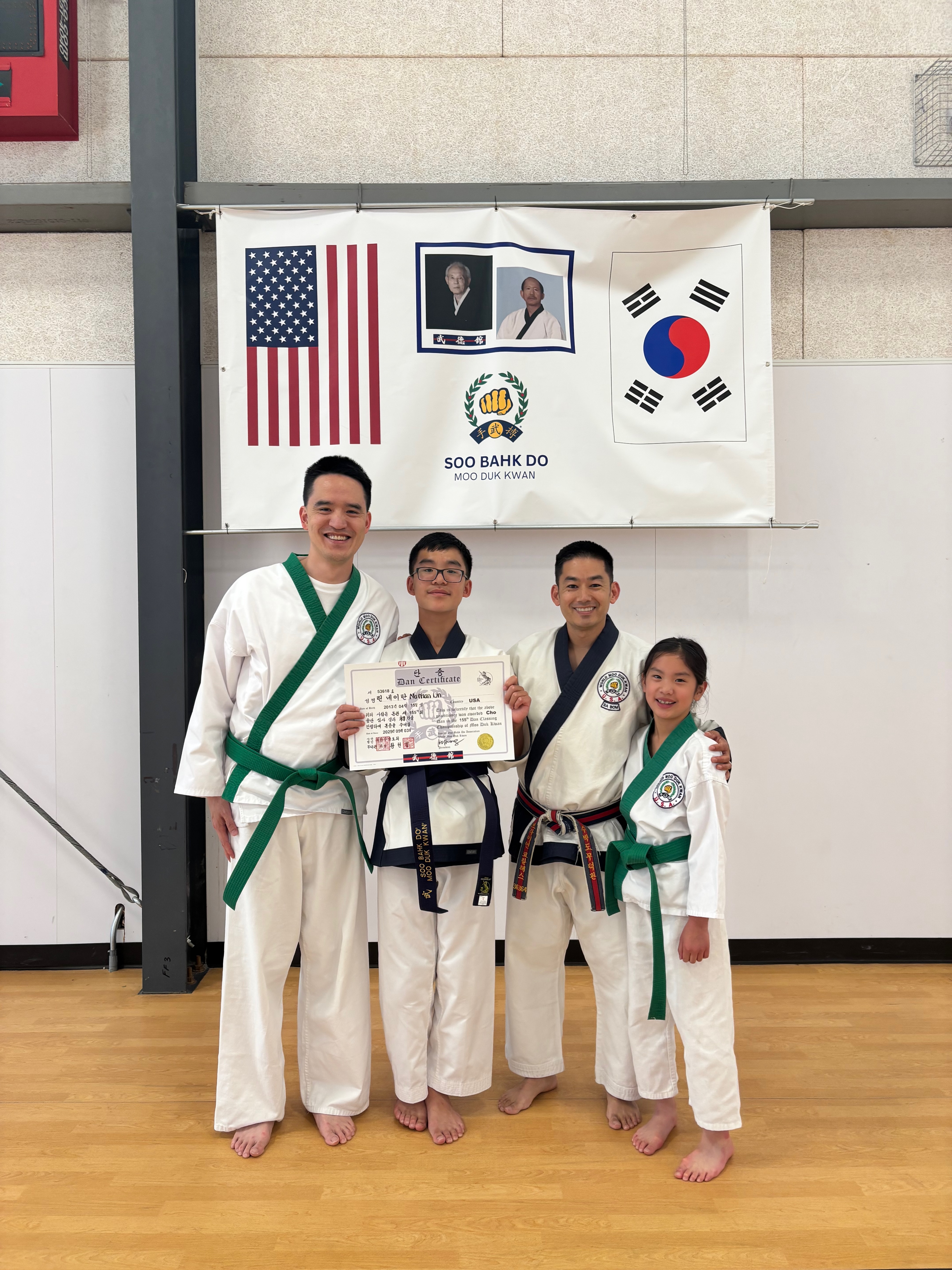
What's Inside
Belt Requirements Guide. All ten ranks, 10th Gup through 1st Gup. For each rank it lists the basics, the hyung, the one-step and self-defense sets, and the breaking requirement. Korean terms appear with plain English alongside, and the minimum time in grade is listed for every rank.
Gup Testing Rubric. The scoring criteria used for Gup Shim Sa at Wasatch Martial Arts Academy. It shows what separates a passing technique from a strong one, and its Weh Gung criteria are built on Seon Sok Mi.
Scoring Spreadsheet. A ready-to-use sheet for recording scores against the rubric. Instructors can use it to run a test; students can use it to self-assess before one.
The requirements are cumulative: every rank assumes everything below it, built across thirty months of minimum time in grade.
Who it's for
Tang Soo Do and Soo Bahk Do students who want their requirements written down in one place, and want to know how they’ll be scored.Karate and Taekwondo practitioners curious how a related Korean system sequences its material. Much of it will look familiar; the order and the emphasis will not.
Solo and independent trainers who can already move but have no syllabus telling them what to work on next.
Returning students rebuilding after years away, who need to see the whole map again.
Instructors comparing their curriculum against a documented traditional standard, or looking for a ready-made way to score Gup tests.
Who put this together
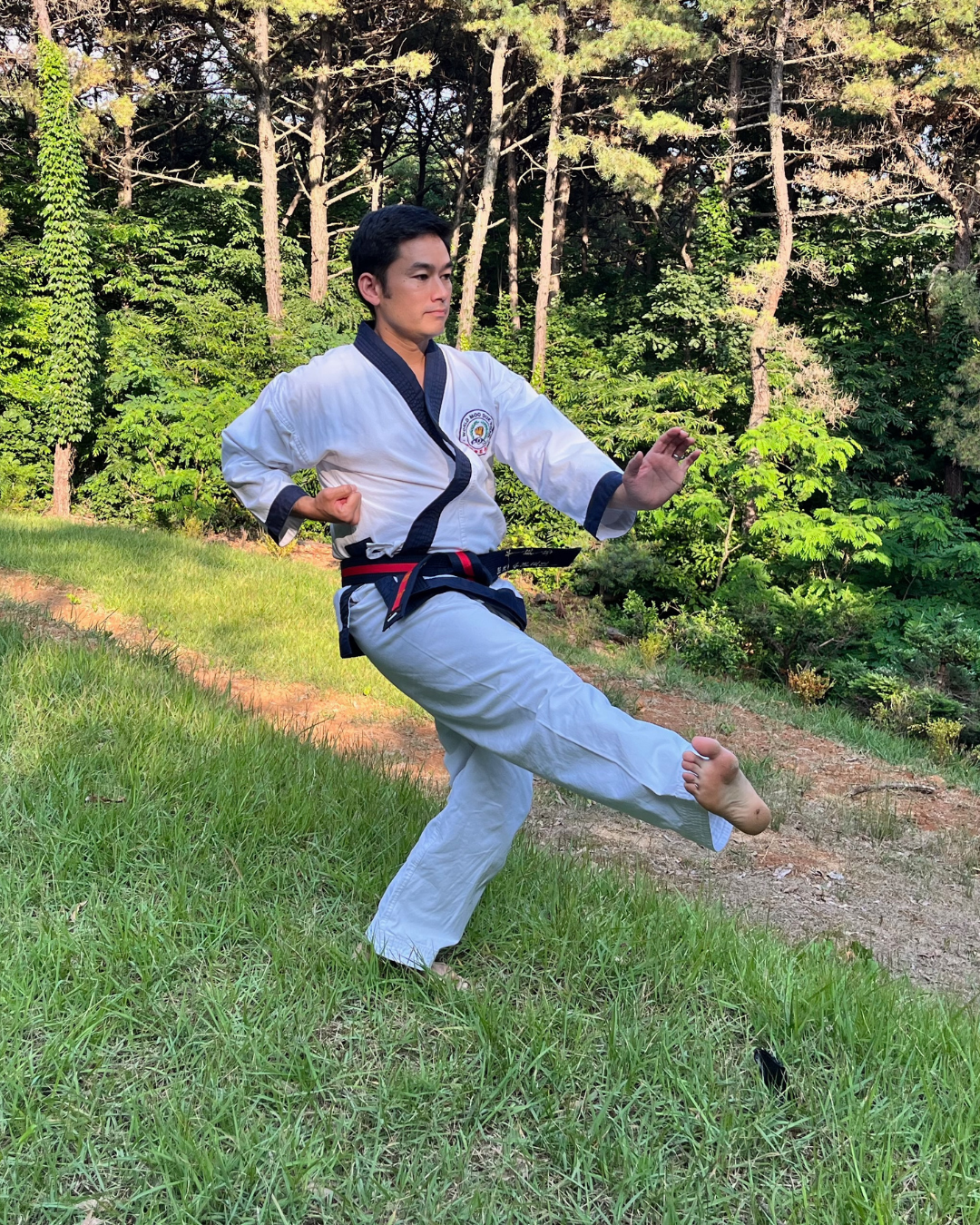
This is the curriculum as it is actually taught and tested, maintained against the World Moo Duk Kwan Technical Advisory Committee's official standard — not a version assembled from the internet.